
Alignment consultations

Invisalign

Discuss your smile, bite and alignment goals, and understand the options before making a decision.
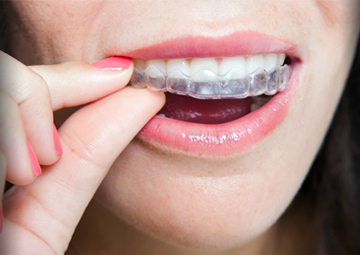
Illustrative close-up of a removable clear aligner, not a treatment result.

A clear conversation about alignment.

Lynwood Dental Centre lists Invisalign among its services. An assessment is needed to understand whether clear aligner treatment is appropriate for your teeth and bite. Discuss alternatives, treatment responsibilities, fees and follow-up before committing to a plan. Treatment times and results vary.

What to discuss at your visit

  • Your teeth, bite and alignment goals
  • Suitability and other treatment options
  • Wear requirements and follow-up appointments
  • Costs, limitations and retention after treatment

Every person’s needs are different. A dental assessment is required to discuss suitability, benefits, risks, alternatives and costs. This page does not replace advice from your treating practitioner.

Your care, explained

Clear aligners: Invisalign and Spark

If you would like to explore straighter teeth, the starting point is a discussion about your bite, your oral health and the changes you are hoping to make. Invisalign and Spark are clear aligner systems; choosing a brand is only one part of deciding whether aligner treatment is suitable.

How clear aligners work

Aligners are a sequence of removable trays designed to move teeth gradually. Your clinician plans the movements and checks progress. The proposed treatment should consider both appearance and how your teeth meet, rather than only how the front teeth look in a photograph.

Planning the movements

An examination and appropriate records help us understand your bite, gum health and the tooth movements you would like to explore. We discuss which changes aligners may achieve and whether other care would be helpful first. The plan should fit both your oral health and the result you are hoping to work towards.

Explore the digital plan

A digital plan helps you visualise the proposed sequence of tooth movements and discuss the intended result with your clinician. It is a planning guide rather than an exact prediction. Reviews during treatment allow your clinician to check how the teeth are responding and adjust the course where needed.

Fitting treatment into everyday life

Removable does not mean occasional. Follow the prescribed daily wear and change schedule, remove the trays for eating and cleaning as instructed, and attend the planned reviews. Tell us if an aligner is lost, damaged or does not fit rather than skipping ahead without advice.

Keep teeth and trays clean

Maintain brushing and cleaning between teeth throughout treatment. Clean your aligners using the method recommended for the particular product; do not assume every appliance tolerates the same cleaning chemicals. Bring questions about irritation, cleaning or keeping up with wear to your review so the issue can be addressed.

After active treatment

Retention is part of the discussion from the beginning. Teeth can move after straightening, so a retainer and a continuing care plan are usually needed. Ask about retainer arrangements, replacement costs and reviews when comparing treatment plans, not only the initial aligner fee.

How long will it take?

Timing depends on the movements required and your clinical response. We can discuss an estimate after assessment rather than promise a standard duration.

Can I stop wearing the retainer once I am happy?

Follow the retention plan prescribed for you. Stopping without advice can allow teeth to move again.

Your next step

Let’s start with a conversation.

Choose online booking through Healthengine, or call the practice to discuss your needs and available times.

Book a visit