
Lynwood Dental Centre
Looking after your smile at home
Good dental care continues between visits. A routine you can manage consistently is more useful than a cupboard full of products. We can help you choose a brush, toothpaste and cleaning aids that suit your teeth, gums and any dental work.
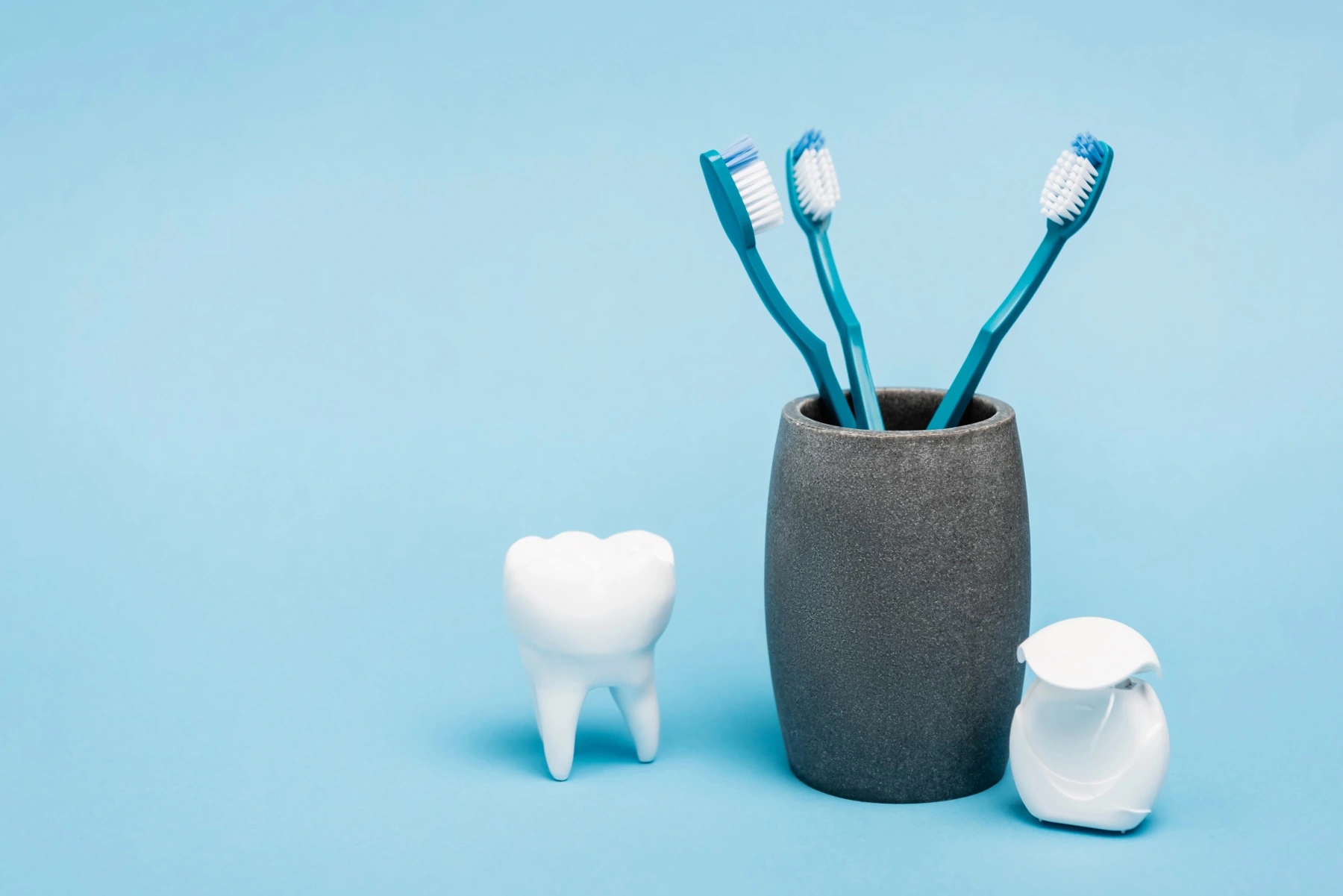
A simple daily routine
For adults, brush twice a day with fluoride toothpaste, including along the gum line. Use a soft brush and a gentle technique rather than scrubbing harder. Spit out the toothpaste afterwards rather than rinsing it away. Ask us for age-appropriate toothpaste advice for children and help them with brushing as needed.
Clean where your toothbrush cannot reach
Clean between your teeth each day. Floss, interdental brushes or other aids may suit different spaces; ask us to demonstrate rather than forcing a brush into a gap. A bridge or implant restoration may need a different approach underneath it. Mouthwash does not replace brushing and cleaning between teeth.
Everyday habits matter
Choose water as your usual drink and limit frequent sugary snacks and drinks. Tell us if your mouth often feels dry, particularly if you take medicines. Do not stop prescribed medicines yourself. Bring your questions about sensitivity, bleeding gums or difficult-to-clean areas to your next visit so we can help make the routine practical.

Care for dental work and appliances
Crowns and fillings still need daily cleaning around their edges. Implants need ongoing gum care and professional review even though the implant itself cannot develop tooth decay. For aligners and retainers, use the cleaning method recommended for your particular appliance and store it in its case. Follow your prescribed whitening instructions rather than increasing the amount or frequency yourself.
Your care after treatment
After a procedure, your personal care instructions explain cleaning, eating and activity while the area heals. Follow the guidance supplied by your treating clinician and ask if you are unsure about any step. This home-care page focuses on your regular routine between visits; postoperative advice may be different for a period of time.
When to seek help
Arrange a dental assessment for persistent bleeding gums, worsening sensitivity, a loose restoration or an appliance that no longer fits. Seek urgent dental advice for increasing pain, swelling, fever or bleeding that does not settle. If swelling affects your breathing or swallowing, or you have severe uncontrolled bleeding, seek emergency medical care; call 000 for a medical emergency. Do not wait for a website enquiry response in an emergency.
How often should I have a check-up?
Your review interval depends on your oral health and risk, not a single timetable for everyone. We will discuss when to return and what to watch for between visits.
Should I stop cleaning if my gums bleed?
Bleeding needs assessment. Ask us to check the cause and show you a gentle technique; do not assume avoiding the area will solve the problem.